




EOLS (End-of-life survey)
EOLS (End-of-life Survey in patients with an ICD/CRT-D Device)
Project Design
Systematic analysis of psychological self-assessment at the end of life in defibrillator patients in Ostwestfalen-Lippe: An initiative to improve counseling and long-term care of ICD patients (End-of-life Survey in patients with an ICD/CRT-D Device)
Systematic investigation of the psychological situation and self-assessment regarding the end of life of ICD patients using an online questionnaire in anonymized form.
Inclusion criteria
 ICD/CRT-D patients
Age >= 18 years

Research Question / Hypothesis
Research Question /
Hypothesis
ICD therapy converts the onset of a malignant cardiac arrhythmia, but this therapy cannot prevent the progressive course of the underlying disease. The primary objective of medical action in the management of ICD therapy is directed toward (survival and) living with the ICD, which thus corresponds to the fundamental tenor of medical-therapeutic action: „to preserve life, to protect and restore health“. Nevertheless, all patients, including ICD patients, will one day die. With the increasing establishment of ICD therapy in the routine care of cardiac patients, the question of dying with the ICD must also be addressed. What standards and behavioral norms apply at the end of life of an ICD patient? Do the specific circumstances of the dying process of ICD patientss differ from those of other patients?
The Bundesärztekammer (BÄK) has stated that „an obvious dying process (…) should not be artificially prolonged by life-sustaining therapies“. In this situation, the alleviation of suffering would therefore take priority, which may well come at the cost of survival time. This principle is increasingly taken into account today in patients with conventional life-prolonging therapeutic measures. What does this aspect mean for the treatment of dying ICD patients? Does the ICD not lose its original justification for this terminal phase of illness? Can the actual therapeutic benefit of the ICD not dramatically counteract a natural dying process or the quality of dying of the patient? Are there gender-specific differences in the psychological self-assessment of those affected?
participants
Project procedure
Project start
October 2025
Project end
expected October 2026


Publikationen
Fabritz Larissa, Connolly D., Czarnecki E., Dudek D., Zlahoda-Huzior A., Guasch E., Haase D., Huebner T., Jolly K., Kirchhof P., Schotten Ulrich, Zapf Antonia, Schnabel Renate B: Remote Design of a Smartphone and Wearable Detected Atrial Arrhythmia in Older Adults Case Finding Study: Smart in OAC – AFNET 9. Frontiers in Cardiovascular Medicine, (2022), 9 https://www.frontiersin.org/article/10.3389/fcvm.2022.839202
Coordinating Investigator
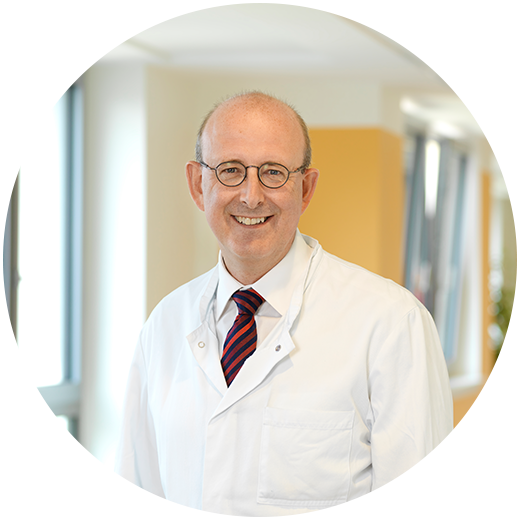
Prof. Andreas Goette, MD
Paderborn

Prof. Karl-Heinz Ladwig, PhD, MD (Habilitation)
Munich
More information
Sponsor
Kompetenznetz Vorhofflimmern e.V. (Atrial Fibrillation NETwork, AFNET), Münster, Germany